Your Customers See More Than One Ad
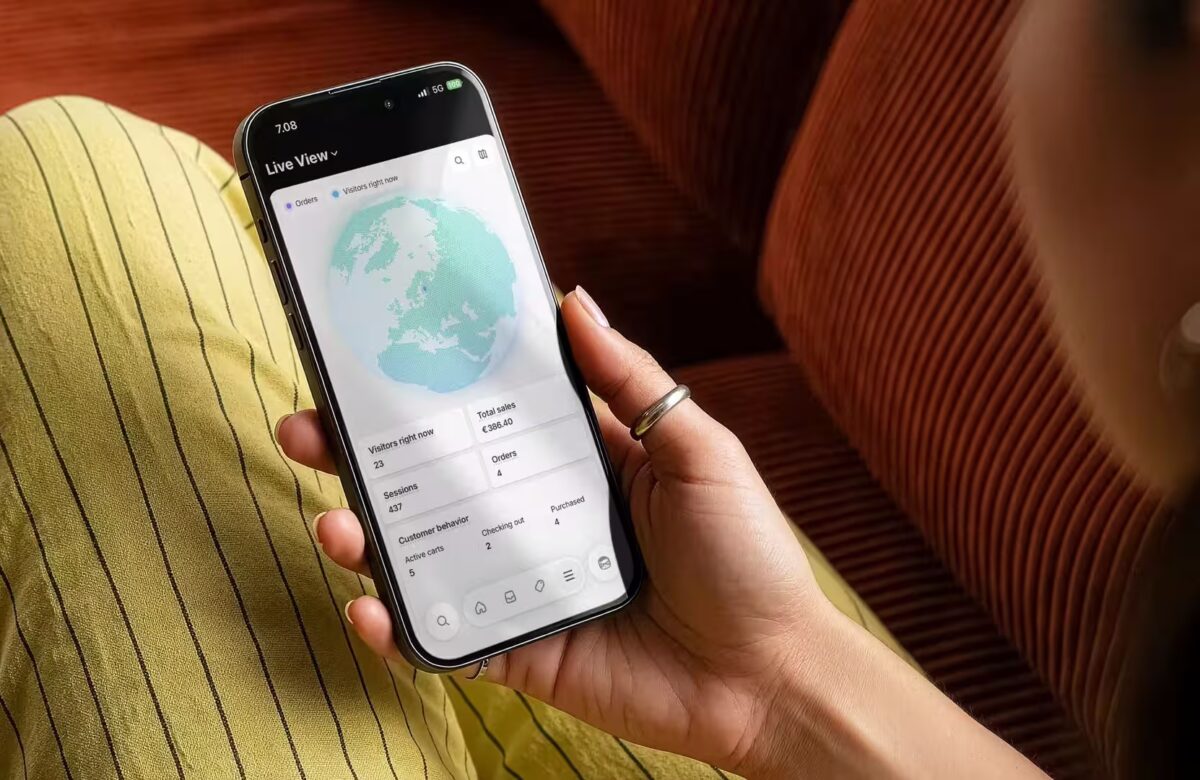
One of the most overvalued aspects of advertising is the last click. Google records a conversion, Meta claims one, the enquiry arrives, and naturally we look at whatever happened immediately before it. It is measurable, which makes it the obvious place to give the credit. The reality is that people rarely discover a company that neatly. Someone might first notice your brand on a poster without thinking much about it. A couple of weeks later they see the same name on Instagram, and when they eventually start searching for the service, there you are again. By that point the company is no longer entirely new to them, even if they cannot remember where they originally saw it. There is some useful data behind this.
GWI research published by DataReportal in 2025 found that the average adult internet user discovers brands and products through 5.8 different sources. Search engines were mentioned by 32.8% of respondents, TV advertising by 32.3% and social media advertising by 29.7%. None of these channels works in a vacuum.
That is more or less how we think about touchpoints. They are simply the different moments when somebody comes across the brand. It might be an ad, a search result, a recommendation, an article, a review, or something as unremarkable as seeing the logo again and realising you recognise it.
Some of these moments are easy to measure, others are not. You can walk past the same outdoor campaign five times, never scan the QR code and still remember the company later. The same happens online. We scroll past things all day, and somehow a few of them stick. Social media has become a big part of that behaviour. DataReportal reported in 2025 that 50% of adult social media users use social platforms partly to learn more about brands and the content they publish, compared with 47.7% in late 2022. That does not necessarily mean they are ready to buy anything when they see the content. Quite often, they are simply getting familiar with the company.
That matters especially with higher-value services, where people usually look around before making a decision. They compare websites, check previous work, read a little, disappear for a few days and then come back. Expecting one ad to introduce the company, explain the service, prove credibility and close the deal is asking quite a lot from one piece of creative.
It also tends to kill the creativity itself. Squeeze every possible message into one ad and you often end up with something that technically says everything while communicating very little. We would rather let one campaign introduce the brand, another talk about a specific service, and let search pick things up later when there is actual intent.
What happens after the click is just as important. If someone arrives from a strong campaign and the website is slow, awkward on mobile or feels like it belongs to a completely different company, that break is immediately noticeable. The page should continue the same visual direction and make the next step obvious without turning the contact button into a small treasure hunt.
That is also why we do not see advertising and web development as completely separate. Internally they may sit in different service categories, but the visitor does not care about that. They see one company. The same goes for outdoor, social, search and video. They may all have different jobs, but they are still part of the same experience.
Salesforce reported in 2023 that 74% of customers had used multiple channels to start and complete a transaction, while 66% had used more than one device. That is probably a better reflection of real behaviour than the perfectly straight funnel we often see in presentations.
Omnichannel marketing does not need to mean appearing everywhere either. We think it makes more sense to choose the channels that actually matter and make sure the brand still feels familiar as people move between them. The photography can change, the format can change and the message can change, but it should still feel like the same company.
Analytics remains important, of course. It tells us a lot about where people came from, what they looked at and where they eventually converted. It cannot capture everything though. People switch devices, reject cookies, see offline advertising, talk to colleagues and sometimes simply forget where they first heard about a company. So we still look at the last click. We just do not assume it tells the whole story.