On November 10, 2026, OpenAI introduced Businesses in ChatGPT, allowing companies to claim their business profiles, manage their information and gain insights into how customers discover them through artificial intelligence.
The announcement represents another development in how businesses establish their online presence. Until now, companies have largely depended on websites, search engines, business directories and social media to reach potential customers. ChatGPT introduces another environment where people can discover businesses, compare services and explore products through conversation. With an estimated 1.2 billion weekly users, according to OpenAI, ChatGPT is becoming an increasingly relevant platform for commercial discovery.
A Business Profile Inside ChatGPT
The new Business Hub allows eligible companies to claim an existing listing or create a profile where supported. Following verification, businesses can manage information such as their description, website, category, branding and customer policies. For online retailers, the possibilities extend further. Companies can connect product feeds containing current prices and availability, including through Shopify integrations. This gives ChatGPT access to more structured information about products customers may be researching. The concept resembles Google Business Profile, although the discovery process differs. Instead of browsing a conventional list of search results, customers can describe their requirements, ask follow-up questions and compare businesses through a continuous conversation.
Importantly, a company does not need to claim its profile to appear in ChatGPT. The platform may already reference publicly available information from company websites and other sources. Claiming a profile provides businesses with a way to manage verified information, but it does not offer complete control over ChatGPT’s responses.
Understanding How Customers Discover Your Business
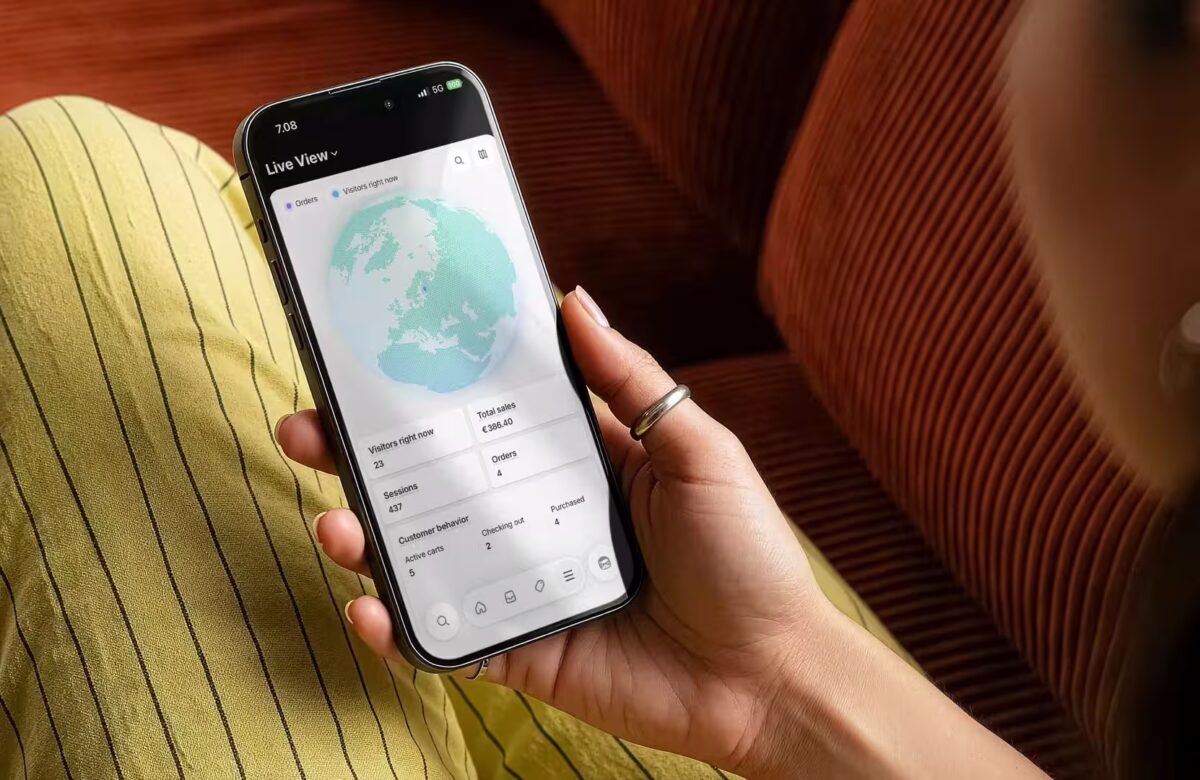
One of the more interesting additions is the introduction of business analytics. Through Business Hub, verified companies can access aggregated insights into how frequently ChatGPT mentions their business, how many website clicks they receive and which conversation topics contribute to their visibility. For example, a digital agency could discover whether its website is referenced in discussions about website development, advertising or e-commerce. A fashion retailer might observe discovery associated with particular clothing categories.
This introduces another perspective on customer acquisition. Traditional search analytics focus primarily on impressions, queries, clicks and website activity. ChatGPT’s analytics instead provide an overview of how businesses appear within AI-generated conversations. However, the available information has limitations. Businesses cannot access individual customer conversations, personal identities or exact private prompts. OpenAI provides aggregated reporting with privacy safeguards. The feature remains in beta, and its analytics should not yet be considered a replacement for Google Search Console or established website analytics.
Business Agents and Customer Interaction
Alongside business profiles, OpenAI has introduced Business Agents, allowing eligible companies to provide an AI-powered conversational experience within ChatGPT. Rather than navigating several website pages to find information, customers can ask questions about products, services, delivery conditions or return policies. For retailers, this could simplify product comparisons and customer assistance. Service providers could use similar functionality to explain their offerings and guide potential customers toward relevant solutions. Business Agents are initially available to eligible online businesses in the United States, while business profile claiming is available more broadly, subject to eligibility and verification requirements. These agents are identified separately from ChatGPT’s independent responses, making the distinction between business-provided assistance and AI-generated recommendations important.
What About Company Ownership and Personal Information?
Business verification also introduces questions about transparency and personal information. Companies may need to confirm their authority through a business email address, telephone number, website domain or supported commerce integration. OpenAI additionally uses Persona for identity verification. However, verifying a business does not automatically make the owner’s personal identification documents or shareholder information publicly accessible through its profile.
Information about directors, shareholders or beneficial owners may already exist in public company records, depending on the country and applicable disclosure requirements. ChatGPT may reference lawfully available information independently of whether a business profile has been claimed. Businesses should therefore distinguish between information intended for customers and personal information provided solely for verification.
Will Claiming a Profile Improve Visibility?
A natural question is whether verified businesses will receive greater exposure in ChatGPT recommendations. OpenAI does not guarantee this. Claiming a profile does not automatically improve recommendation placement, generate additional traffic or increase sales. Business verification remains separate from ChatGPT’s independent recommendation systems. Nevertheless, maintaining accurate information can help reduce inconsistencies between what a business offers and what potential customers discover. For companies already investing in search visibility, website quality and structured information, Business Hub introduces another channel worth monitoring.
A New Stage in Business Discovery
The introduction of ChatGPT Business Profiles reflects a changing relationship between customers, businesses and online information. People can increasingly research companies through conversations rather than relying exclusively on traditional search results. They may compare several providers, explore their services and form an impression before ever visiting a website. Business Hub gives companies a more direct way to manage their information within this environment, while its analytics provide an initial view of how conversational discovery develops. Whether these features will translate into measurable commercial growth remains to be seen. For now, one thing has changed: businesses have another digital presence to consider, and customers have another way to discover them.
Eligible companies can explore the platform through ChatGPT Business Hub.
Sources and further reading