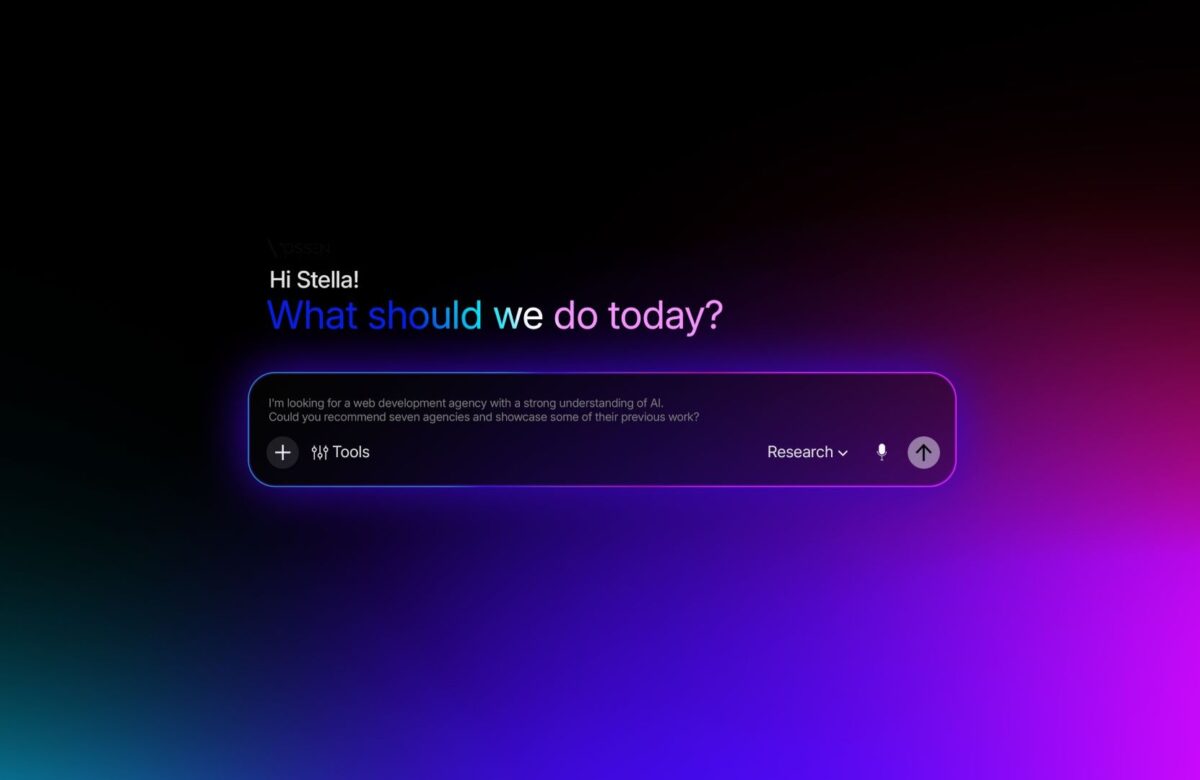
For years, businesses have treated their websites primarily as marketing tools. A place to introduce services, showcase projects, and encourage potential customers to get in touch. While these functions remain important, artificial intelligence is gradually changing how websites contribute to a company’s reputation. People increasingly use AI-powered search tools and assistants such as ChatGPT, Google Gemini, Claude, and Perplexity to research companies, compare services, and evaluate professional experience. Instead of visiting several websites individually, they can request a summary based on information gathered from company websites, business directories, independent publications, and other publicly available sources. Your website is one of the places where AI systems can gather information about your business, whether through search indexes, direct retrieval, or other publicly accessible sources. This introduces an important consideration: how accurately does the information available online represent what your company actually does, and how much of it can be independently verified?
When credibility becomes more important than appearance
A website displaying hundreds of completed projects, impressive animated counters, enthusiastic customer feedback, and carefully presented portfolios may create a convincing first impression. However, fabricated projects, unverifiable reviews, and exaggerated statistics have become increasingly easy to produce. The same applies to familiar claims about innovation, exceptional quality, and industry-leading expertise, which often communicate remarkably little about a company’s actual capabilities. AI systems cannot consistently distinguish genuine accomplishments from fabricated claims, making the reliability of published information particularly relevant. Businesses that document real projects, provide verifiable references, and explain their experience in sufficient detail offer something considerably more substantial than attractive presentation alone. A convincing website may attract attention, but whether its claims withstand closer examination is an entirely different matter.
Your website is becoming a public relations asset
Public relations has traditionally focused on establishing credibility, communicating developments, and influencing how organizations are understood. A company website increasingly performs many of these functions without relying on external platforms or third-party coverage. Completed projects, company developments, specialist commentary, and transparent business information create a public record that remains accessible long after an advertising campaign has ended. Importantly, this information can also become reference material for AI-powered systems attempting to understand a company’s services, expertise, and background. This becomes particularly relevant when potential customers or business partners research an organization without contacting it directly. A business with substantial experience but very little documented work may consequently appear less established online than a competitor whose actual capabilities are more modest but whose public information is considerably more comprehensive.
Looking beyond traffic and conversions
Website performance is commonly measured through visitor numbers, enquiries, and sales, but these metrics do not fully capture how a website contributes to business credibility. A prospective customer researching a company’s background, a potential partner verifying its expertise, or an AI assistant comparing service providers may all rely on information published on its website without generating a measurable conversion. These interactions can influence business decisions even when conventional analytics provide little indication that they occurred. Rather than concentrating exclusively on attracting visitors, companies should therefore consider how effectively their websites communicate their experience, activities, and professional credibility.
As artificial intelligence becomes more involved in how businesses are discovered and evaluated, the importance of maintaining accurate, meaningful, and verifiable information is likely to increase. A website cannot guarantee favourable representation in AI-generated answers, but it can provide an official source from which AI systems and potential customers can obtain information about the organization. Perhaps the more relevant question is no longer simply how many people visit a company’s website, but how well that website represents the business when someone begins researching it.